
Key Takeaways
- Getting an std test in Montreal is a responsible step for your health and the health of your partners.
- Many common STIs, like chlamydia and gonorrhe,a often don’t show any symptoms.
- Tests usually involve a quick urine sample, blood draw, or a swab, and are done confidentially.
- You can find testing at clinics, some public health services, or even explore at-home options.
- Knowing when to get tested, especially after unprotected sex or with new partners, is important for early detection and treatment.
Why Get an STD Test in Montreal?
Getting tested for STIs in Montreal is a really smart move for your overall health. It’s not just about knowing if you have something; it’s about taking charge of your well-being and looking out for your partners, too. Many sexually transmitted infections don’t show any signs, so you could have one and not even realize it. That’s where regular check-ups come in handy.
Think of it like this: you get your oil changed in your car to keep it running smoothly, right? Testing for STIs is kind of the same for your body. It helps catch things early, which means easier treatment and fewer chances of long-term problems like infertility or chronic pain down the road. Plus, knowing your status means you can have more open conversations with your partners about sexual health.
- Protect yourself and others: Early detection prevents the spread of infections.
- Peace of mind: Knowing your status can relieve anxiety.
- Prevent complications: Many STIs can cause serious health issues if left untreated.
If you’re looking for anonymous STD testing in Montreal, there are clinics that focus on making the process easy and confidential. You don’t need a doctor’s referral, and many places offer quick results. It’s a straightforward way to stay healthy and responsible. You can find various options for STI screening across the city, making it accessible for everyone.
It’s really about being proactive. You don’t have to wait for symptoms to appear. Many infections are silent but still transmissible, so regular testing is a key part of maintaining good sexual health.
Common STIs and Their Symptoms
It’s a good idea to know about the common STIs out there, just so you’re aware of what to look out for. Many of these infections don’t show any symptoms at all, which is why regular testing is so important, even if you feel perfectly fine.
Chlamydia
Chlamydia is super common, caused by a bacterium. You might notice a burning feeling when you pee, or a change in discharge. For guys, it could be a clear or milky discharge from the penis. Sometimes there’s pain or swelling in the testicles or lower belly pain. Most of the time, though, you won’t have any signs. The window period for testing is about 14 days after exposure.
Gonorrhea
Similar to chlamydia, gonorrhea is also caused by bacteria. Symptoms can include a thick, yellowish discharge from the vagina or penis, or a burning sensation during urination. You might also feel pain or swelling in your testicles. Again, many people don’t show any symptoms, and the window period is also around 14 days.
Syphilis
Syphilis is a bit different because it progresses in stages. The first signs usually show up between 10 days and 3 months after you’ve been exposed. You might see a painless sore, kind of like a canker sore, on your genitals, mouth, or anus. Your lymph nodes might also swell up. These initial symptoms can go away on their own, but the infection is still there.
Herpes
Herpes is caused by a virus and can lead to outbreaks of sores or blisters. These can be painful and might appear on your genitals, mouth, or anus. Sometimes, people experience flu-like symptoms, like fever or swollen glands, especially during the first outbreak. It’s important to know that herpes is a lifelong infection, though outbreaks can be managed.
HIV
HIV is a virus that affects your immune system. Early symptoms can be really vague, sometimes feeling like a bad flu. You might experience persistent fatigue, unexplained weight loss, diarrhea, fever, or night sweats. Swollen lymph nodes are also a common sign. Because symptoms can be so non-specific, testing is the only way to know for sure. If you’re concerned about your risk, consider looking into mobile TB testing services in Montreal for convenient testing options.
It’s really important to remember that the absence of symptoms doesn’t mean you’re in the clear. Many STIs are silent carriers, making regular check-ups your best defense. Don’t wait for something to feel wrong; be proactive about your sexual health.
How to Prepare for an STD/STI Test
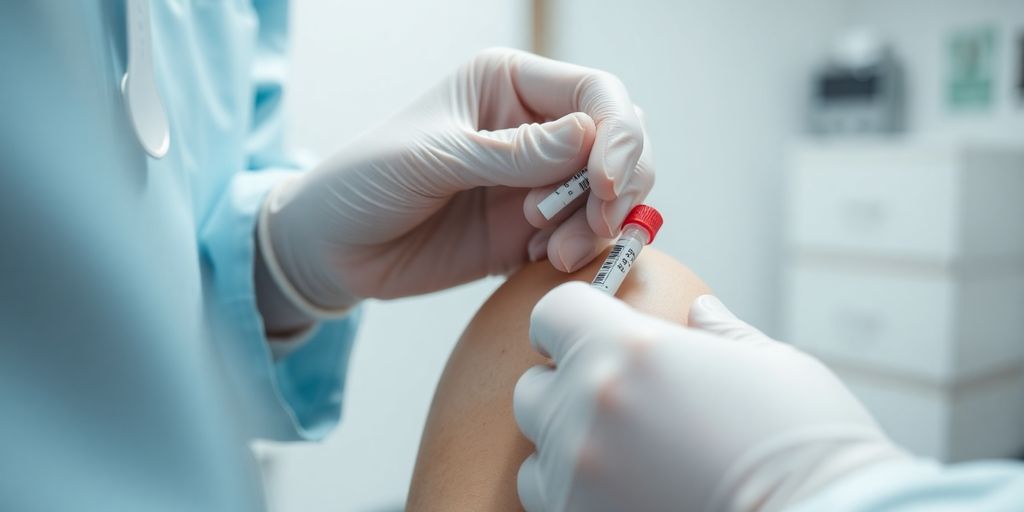
Getting ready for an STD/STI test in Montreal is pretty straightforward. You don’t need to do a whole lot, but there are a couple of things that can make the process smoother.
Bring ID and medical history.
First off, make sure you have some form of identification with you. It doesn’t have to be anything fancy, just something to confirm who you are. Also, if you’ve been to a doctor or clinic before for anything related to sexual health, or even just general health, it’s a good idea to jot down some notes about your medical history. This could include any past infections, allergies, or medications you’re currently taking. This information helps the healthcare provider understand your situation better and decide on the most appropriate tests.
Follow any instructions for blood, urine, or swab tests.
Depending on what the clinic needs to check for, you might be asked to provide a urine sample, have a blood draw, or give a swab from a specific area. For urine tests, they might ask you to avoid urinating for a couple of hours beforehand or to collect a
What to Expect During the Test
So, you’re heading in for an STD test in Montreal. What exactly happens when you get there? It’s usually pretty straightforward, and most people find it less intimidating than they expect. The process really depends on which infections they’re testing for, but generally, it involves a few common steps.
Quick description of the process (blood, urine, or swab)
First off, a healthcare provider will chat with you a bit about your sexual history. They might ask about symptoms you’re experiencing, recent partners, and the types of sex you’ve had. This helps them figure out the best tests for you. Don’t be shy; they’ve heard it all before and need this info to do their job right. They might collect a urine sample, which is super common for checking things like chlamydia and gonorrhea. Sometimes, they’ll need a blood sample, usually for HIV, syphilis, or hepatitis. And if they suspect something like herpes or need to check specific areas, they might use a cotton swab from your throat, anus, or genital area. It’s all about getting the most accurate picture.
Remember, many STIs don’t show any symptoms at all, so getting tested regularly is the only way to know for sure. It’s a proactive step for your health.
Here’s a quick rundown of what samples are typically used for:
- Urine Sample: Often used for chlamydia, gonorrhea, and trichomoniasis.
- Blood Sample: Used for HIV, syphilis, hepatitis B, and hepatitis C.
- Swab Sample: Can be used for chlamydia, gonorrhea, herpes (if symptoms are present), and syphilis (if symptoms are present).
Sometimes, a visual check of your genital area might be part of the exam to look for any skin changes. It’s all part of a thorough check-up.
Confidential and professional service.
One of the most important things to know is that the service is completely confidential. Your results and personal health information are protected. The staff are professionals trained to handle these tests with care and discretion. They’re there to help you, not to judge. You can feel comfortable asking questions throughout the process. If you’re feeling anxious, you can even ask if a support person can be with you during the examination. They want you to feel as at ease as possible while getting this important health check done at a clinic like Sensolia.
Where to Get an STD/STI Test in Montreal

When you need to get tested for STIs in Montreal, you have a few solid options. You can check out dedicated STI testing clinics in Montreal that focus on sexual health, or look into private STD screening options. Some people even prefer at-home test kits, though these often still require a trip to a lab for processing.
For those looking for a more direct approach, clinics often offer a range of tests, from urine samples for chlamydia and gonorrhea to blood tests for HIV and hepatitis. A blood test in Montreal is a common way to screen for several infections at once. It’s good to know that many of these clinics are set up to be quick and confidential, meaning your visit is private and results are usually available pretty fast.
Here’s a quick look at what you might encounter:
- Clinic Visits: You’ll typically book an appointment. The process usually involves a quick chat with a nurse or doctor to figure out which tests are best for you. This might include a urine sample, a swab, or a simple finger prick or blood draw for a Blood Test in Montreal.
- Lab Services: Some clinics might direct you to a separate lab for blood work or other sample processing. They’ll give you a requisition form, and you just take it to the lab.
- At-Home Kits: These kits can be bought online or at some pharmacies. You collect your own sample at home and then mail it to a lab. It’s convenient, but you need to be comfortable with self-collection.
It’s important to remember that many sexually transmitted infections don’t show any symptoms, so getting tested regularly, especially if you have new partners or have had unprotected sex, is a smart move for your health and the health of others. Don’t wait for symptoms to appear; proactive testing is key.
When deciding where to get tested for STDs in Montreal, consider factors like wait times, the range of tests offered, and how you prefer to receive your results. Many places pride themselves on being non-judgmental and making the process as comfortable as possible.
Taking Charge of Your Sexual Health in Montreal
Getting tested for STIs in Montreal is a straightforward step towards looking after yourself and those around you. Whether you’re starting a new relationship, have had unprotected sex, or just want peace of mind, knowing your status is important. Many clinics offer quick, confidential services, and understanding the different testing windows for various infections can help you decide when to get checked. Don’t hesitate to reach out to a local clinic or healthcare provider to discuss your needs. Taking this proactive approach is a responsible way to manage your sexual health.
Frequently Asked Questions
Why is it important to get tested for STIs?
Getting tested is a great way to take care of yourself and others. It helps you know your health status and prevents the spread of infections. Many STIs don’t show any signs, so testing is important even if you feel fine.
When should I consider getting an STI test?
It’s recommended to get tested if you’re sexually active, have had sex without protection, have symptoms, or if a partner has an STI. Also, consider testing if you’ve shared needles or are starting a new relationship and want to stop using condoms.
How soon after unprotected sex can I get tested for an STI?
The time it takes to find an infection after exposure varies. For example, chlamydia can be detected after 14 days, gonorrhea after 7 days, and HIV typically after 8 weeks. It’s best to ask your healthcare provider for specific timelines.
What actually happens during an STI test?
Tests usually involve giving a urine sample, a swab from the throat, anus, or genital area, or a blood sample. The process is quick and handled by healthcare professionals in a private setting.
Is my STI test result kept confidential?
Yes, all your information and test results are kept completely private. Only you and the healthcare professionals involved will know your results.
Where can I go in Montreal to get tested for STIs?
In Montreal, you can get tested for STIs at clinics, doctors’ offices, or public health units. Private clinics and services like A+ Home Care Solutions offer faster results, and at-home testing kits may also be available for convenience.
